Marking Stone Dreaming: Jalala and the Boundaries of Country
Jalala, the marking stone Dreaming of the Kimberley, tells of the stones placed to signal the boundaries between traditional lands and the approach to sacred sites.
The Jalala, or marking stone Dreaming, is a story from the Ngarinyin and neighbouring peoples of the Kimberley region in Western Australia. It concerns the practice of placing distinctive stones across the country to mark the boundaries between traditional lands and to warn travellers that they are approaching a sacred or restricted area.
The marking stones served a practical and a spiritual purpose. They told a traveller that they were entering the country of another group and that certain protocols of respect and permission applied. They also signalled the proximity of sacred sites, places of ceremony or danger, where unauthorised entry could carry serious consequences. In this way the stones were a form of law made visible in the landscape.
The Dreaming tells of the ancestral beings who first placed the Jalala, establishing the boundaries and the responsibilities that come with them. The story reinforces the understanding that country is not unowned or open but is held and cared for by particular people with particular obligations, and that moving across country means moving within a web of relationships and laws.
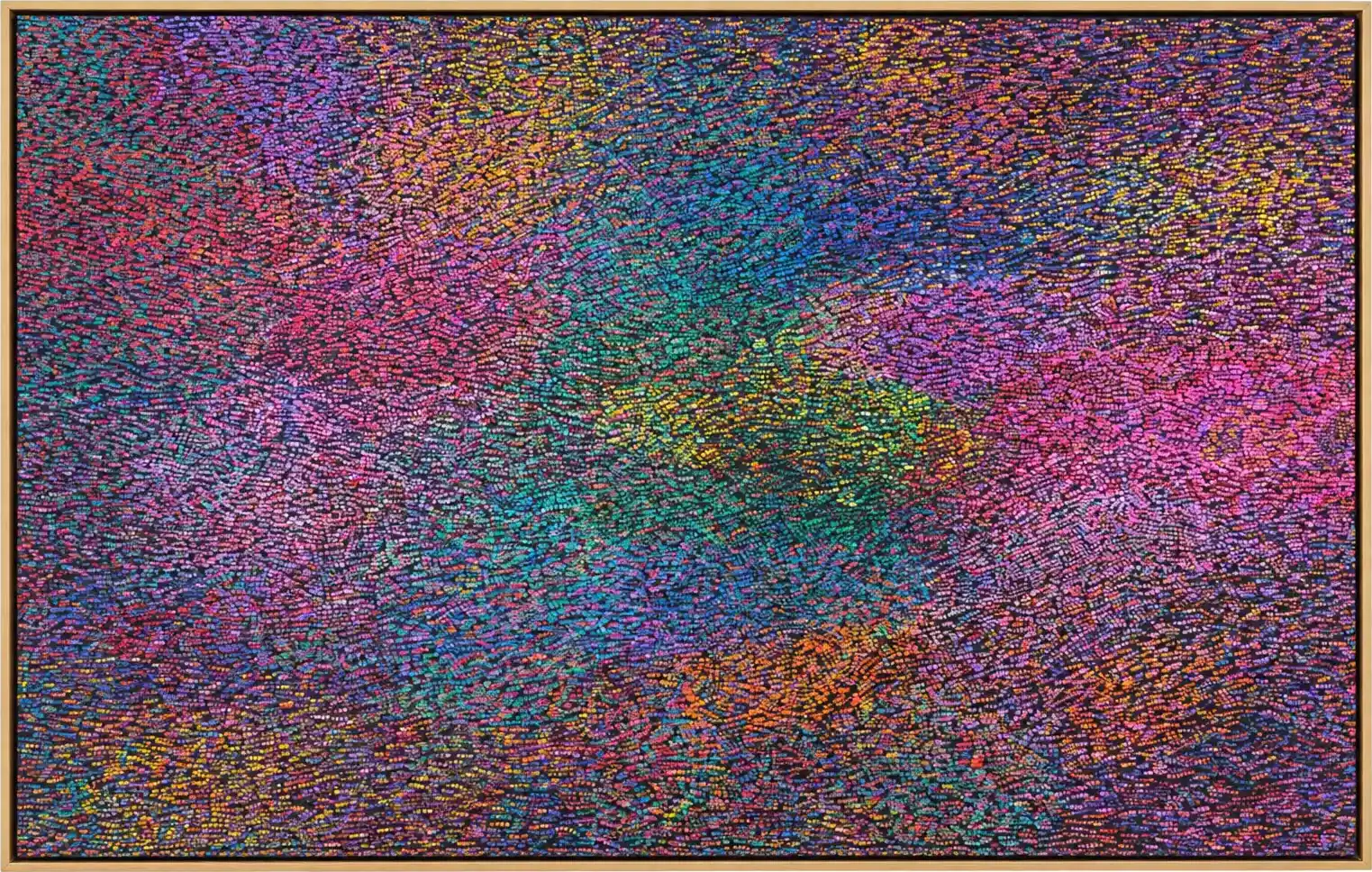
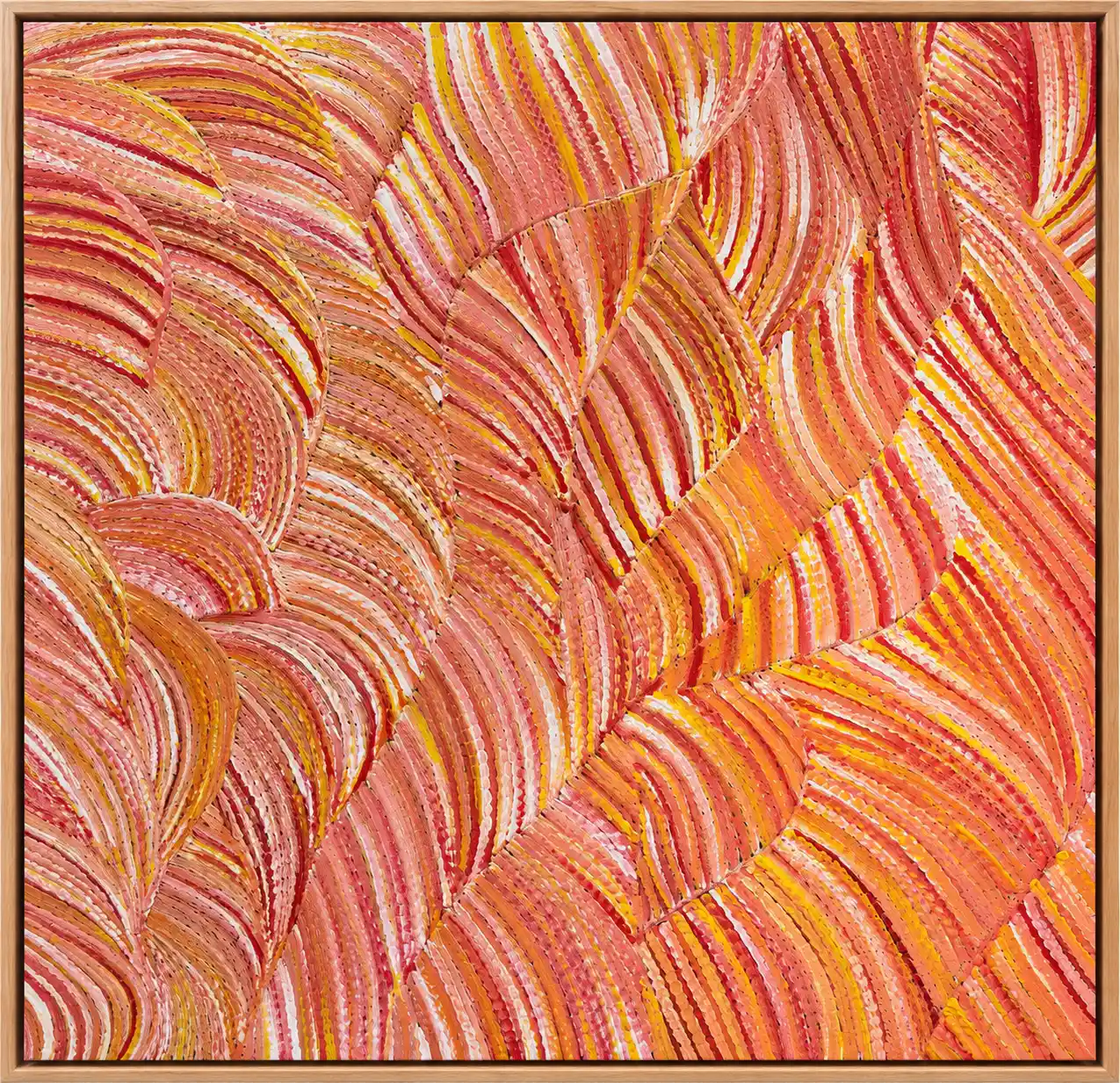
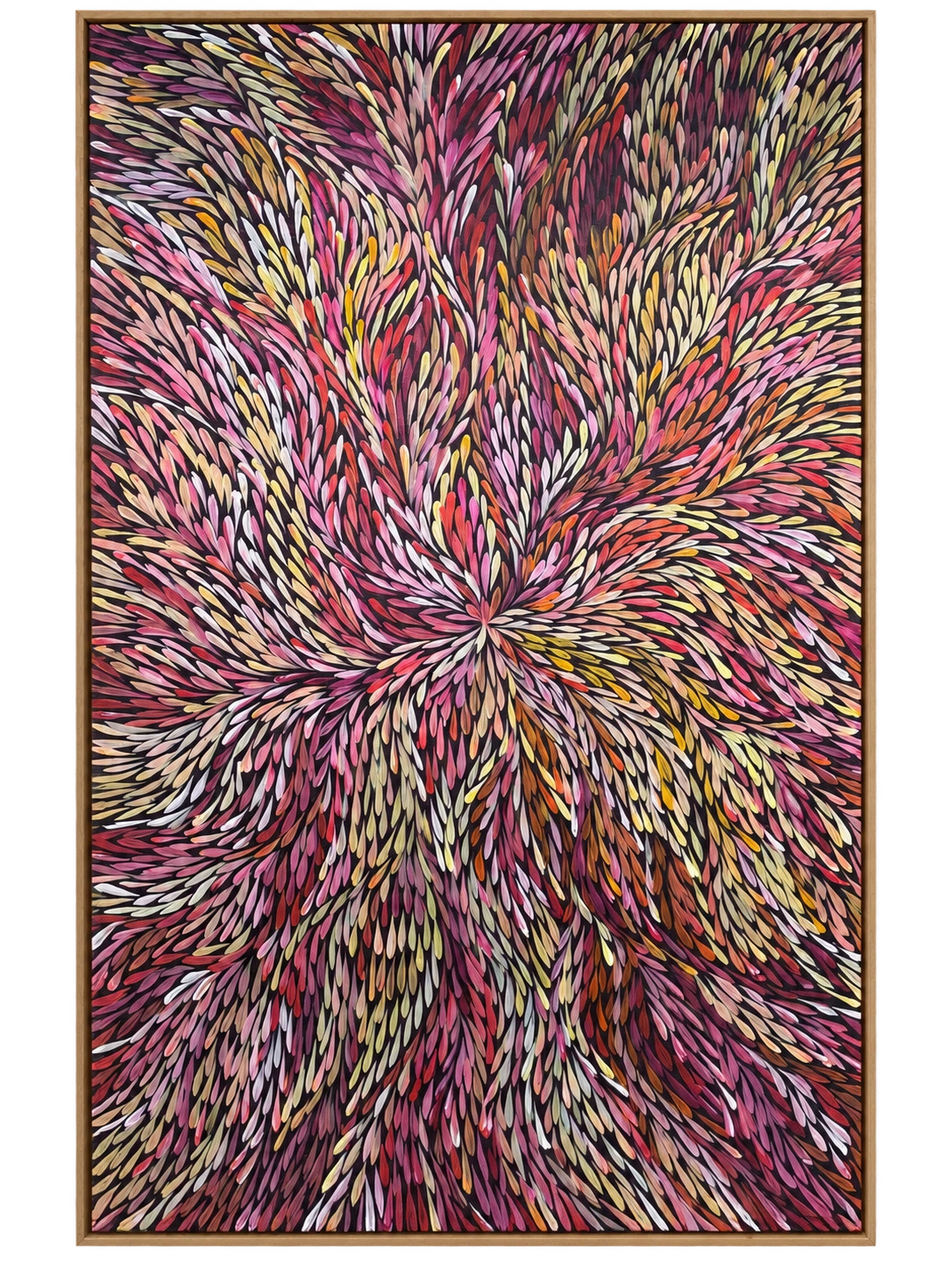
Artists of the Kimberley have painted the Jalala story as part of a broader body of work documenting the law and the land of their people. The works often show the stones in their landscape settings, sometimes alongside the figures of the ancestors who placed them. For the viewer, the Marking Stone Dreaming is a reminder that the land is layered with meaning and law, and that every feature may carry a story about who belongs where and how country should be respected.