Sixty Thousand Years of Connection to Country
The relationship between First Nations peoples and their country is the foundation of the world's oldest living culture, a bond of care, kinship and responsibility sustained across millennia.
At the heart of the world's oldest continuous living culture is the concept of country. For Aboriginal and Torres Strait Islander peoples, country is far more than land in a geographic sense. It is a living entity, a relative, a source of identity and a holder of sacred knowledge. Country encompasses the soil, the water, the plants and animals, the ancestors and the spirits, all bound together in a web of relationship and responsibility.
This connection has been sustained for more than 60,000 years. Across that vast span of time, First Nations peoples have cared for country through practices of land management, ceremony and law. The knowledge of when to burn, where to find water, which plants are ready to harvest and which animals are in season has been passed down through countless generations, refined by observation and held as a sacred trust.
Connection to country is not abstract. It is personal and inherited. A person belongs to the country of their ancestors, and that belonging carries obligations. To care for country is to honour the ancestors who shaped it, to sustain the life it holds, and to pass it on intact to those who follow. This is why damage to country is felt so deeply, not as the loss of scenery but as harm to a living relative.
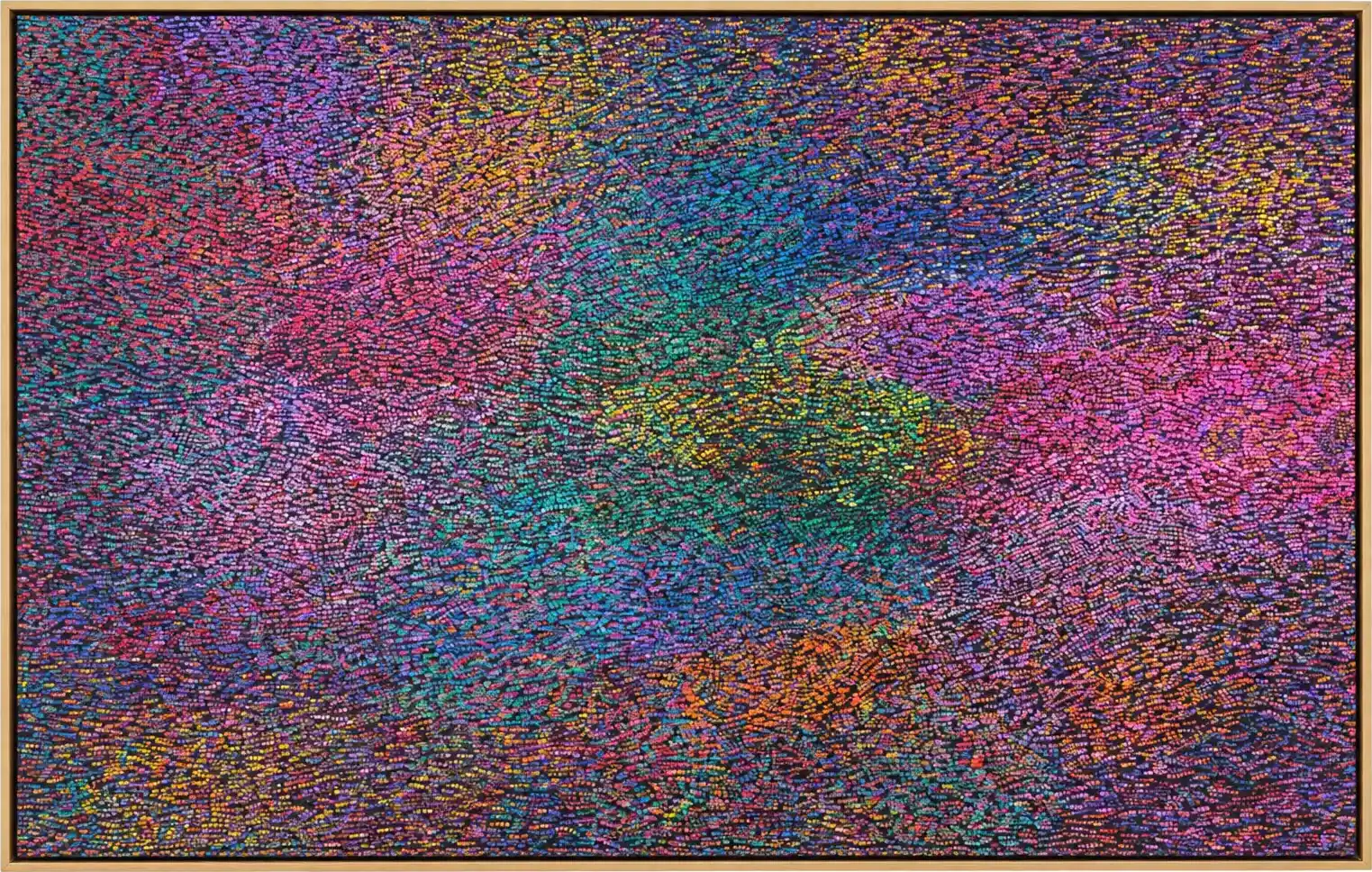
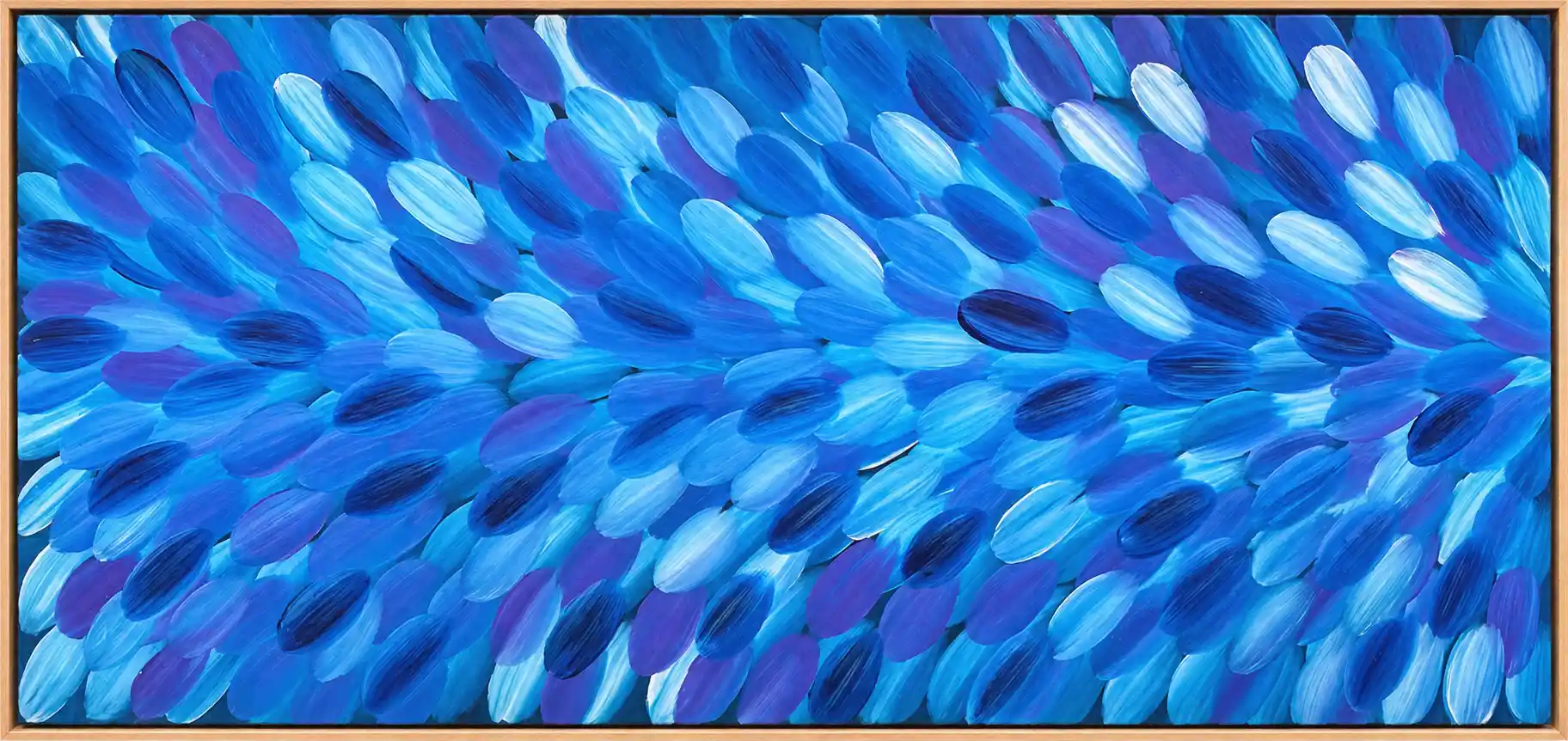
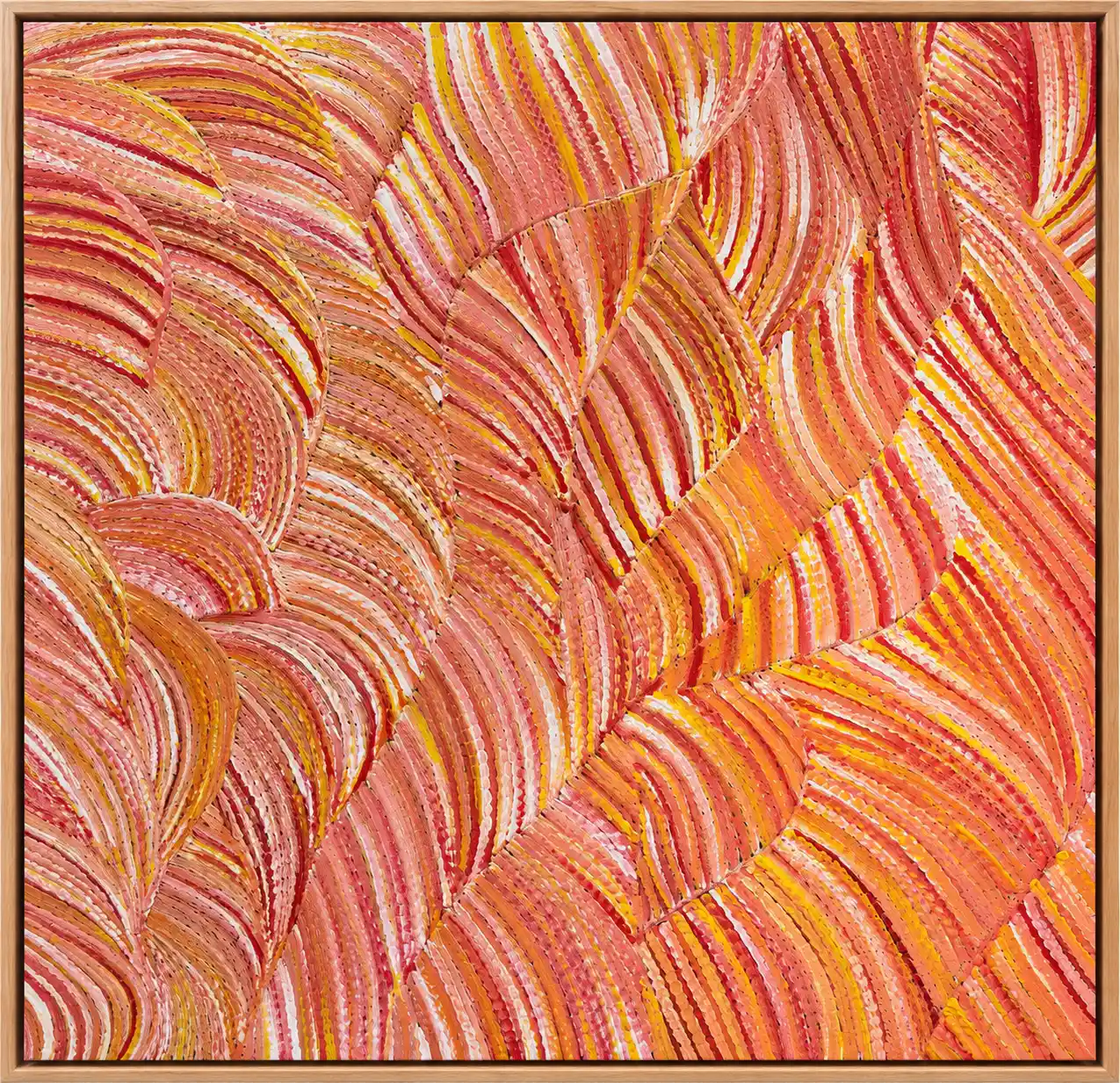
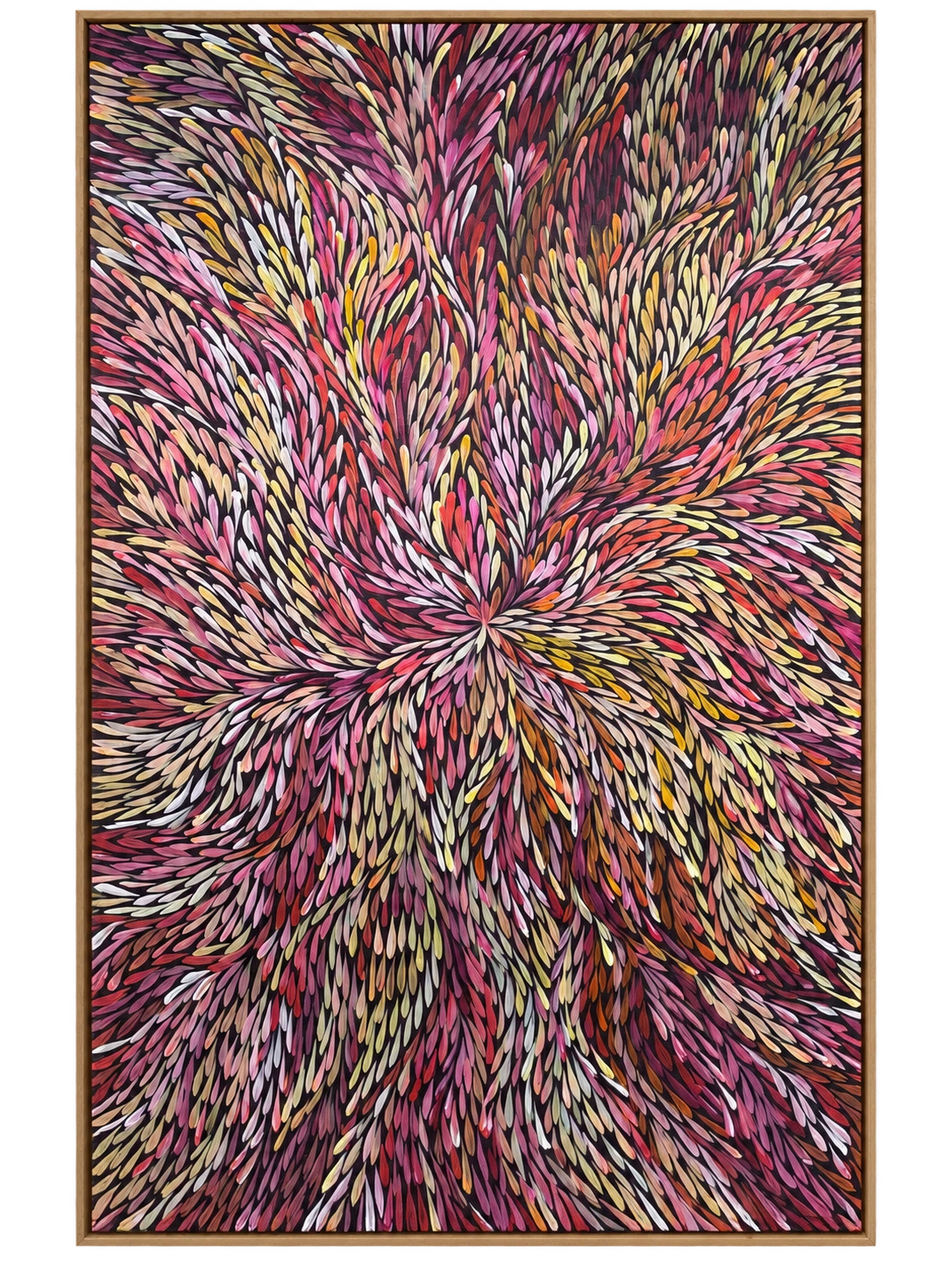
In art, this bond finds its most enduring expression. Every painting is, in a sense, a portrait of country, a map of its features, a record of its stories and a declaration of the artist's belonging. When collectors speak of the depth they feel in Aboriginal art, they are responding to this ancient and living connection, the sense that the work is not made about a place but from within it.