The Canning Stock Route: Art, Country, and First Contact
The Canning Stock Route crosses the Great Sandy Desert and marks the first contact between white settlers and the desert peoples, a history now told through a landmark art project.
The Canning Stock Route is the longest historic stock route in the world, stretching roughly 1850 kilometres through the Great Sandy Desert of Western Australia. Built in the early twentieth century to move cattle from the Kimberley to the southern markets, it cut directly through the country of several desert peoples and brought the first sustained contact between those communities and European settlers.
For the Aboriginal people of the region the stock route was a profound disruption. The wells sunk along the route disturbed sacred water sources, the cattle damaged fragile desert country, and the arrival of outsiders introduced conflict and disease. Yet the story is also one of endurance and adaptation, as the desert peoples maintained their connection to country through a period of enormous change.
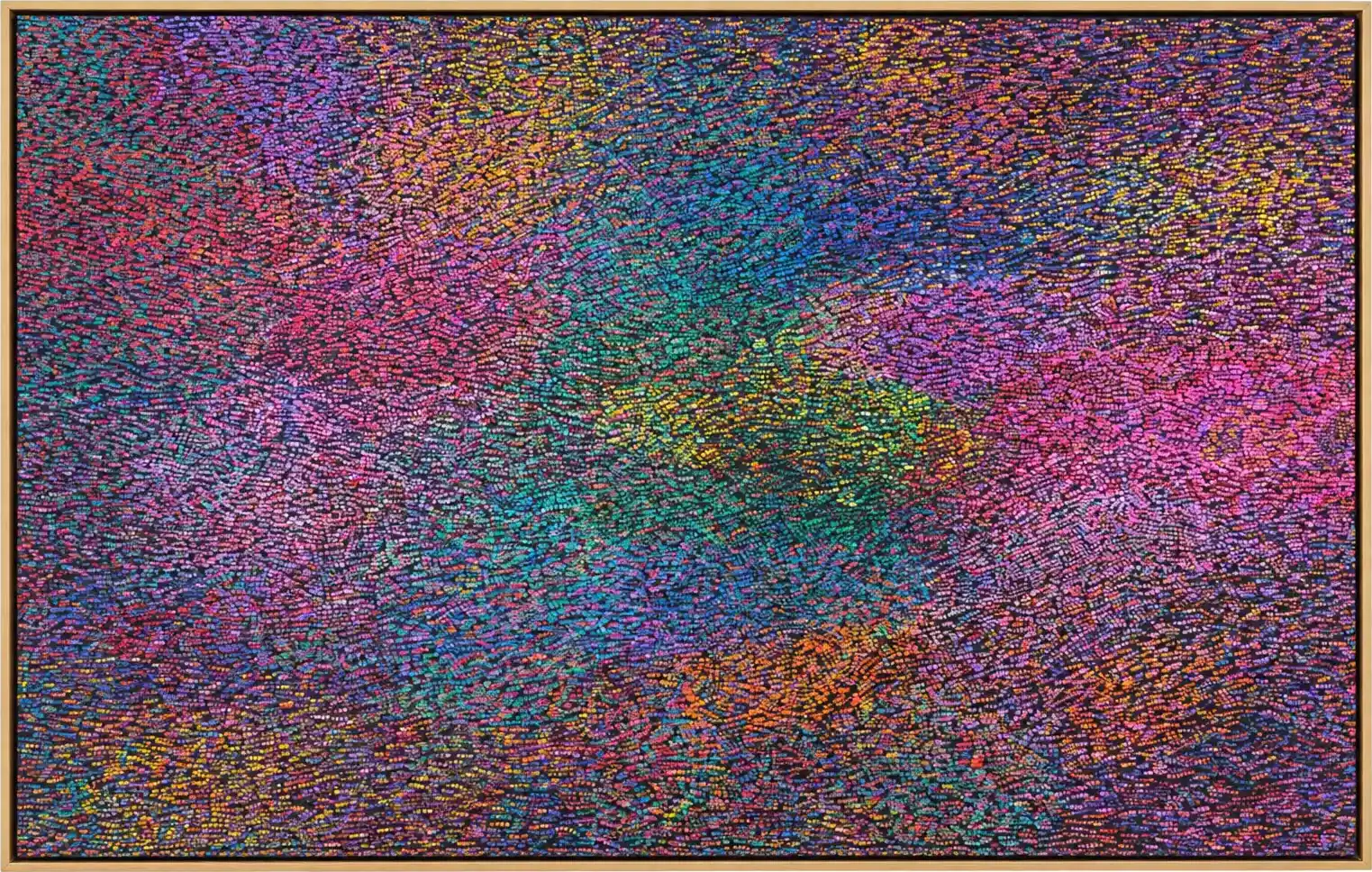
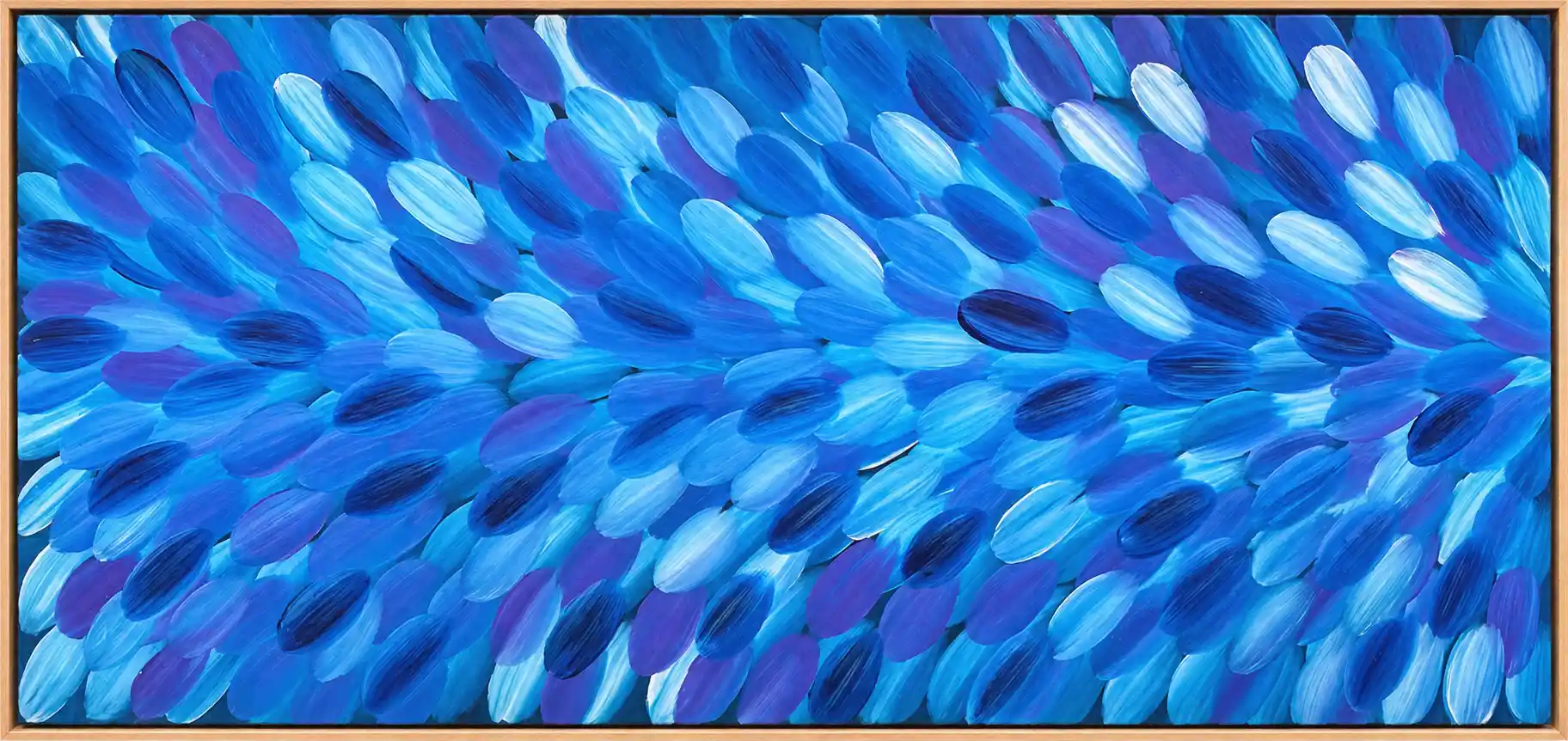
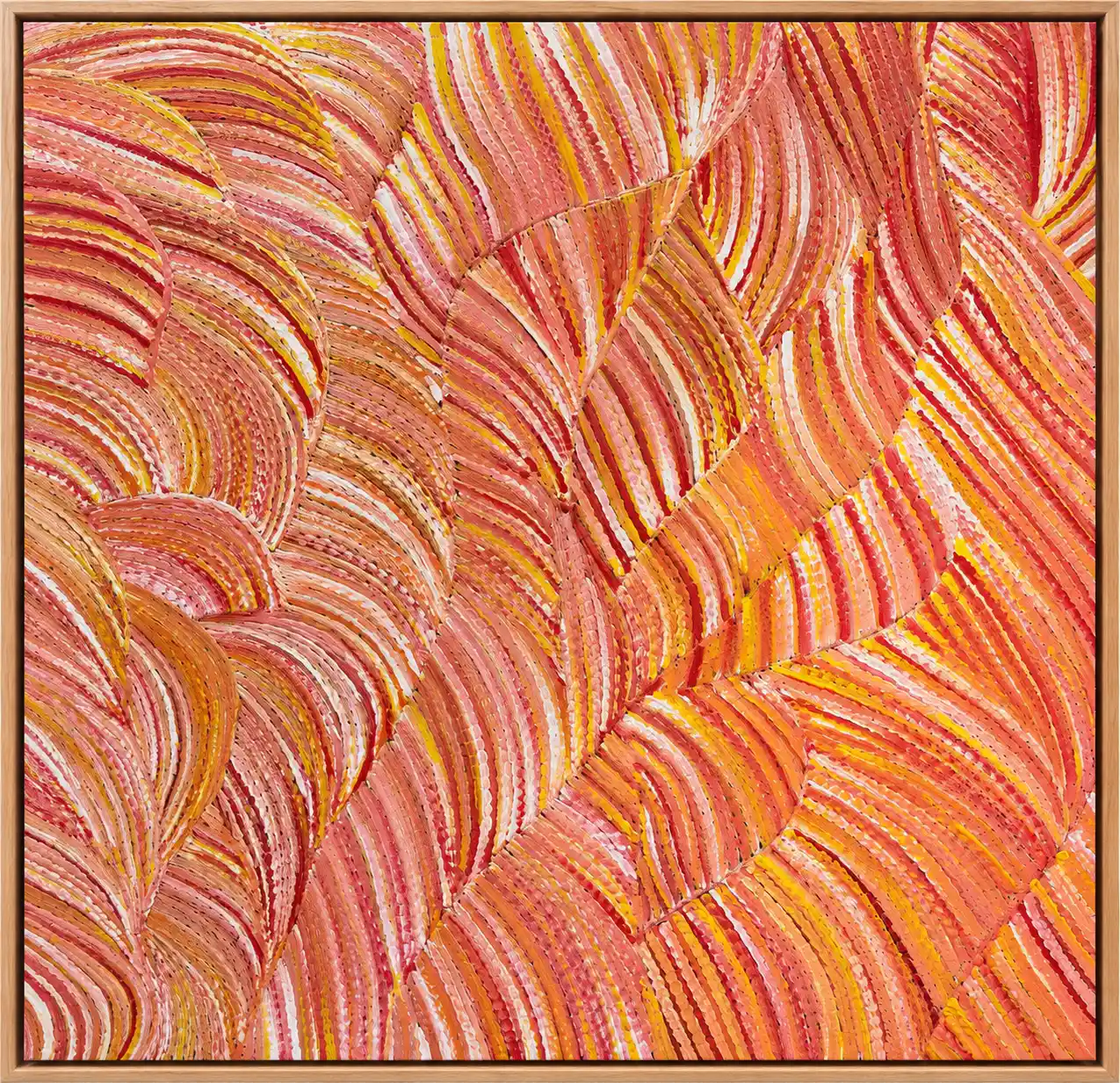
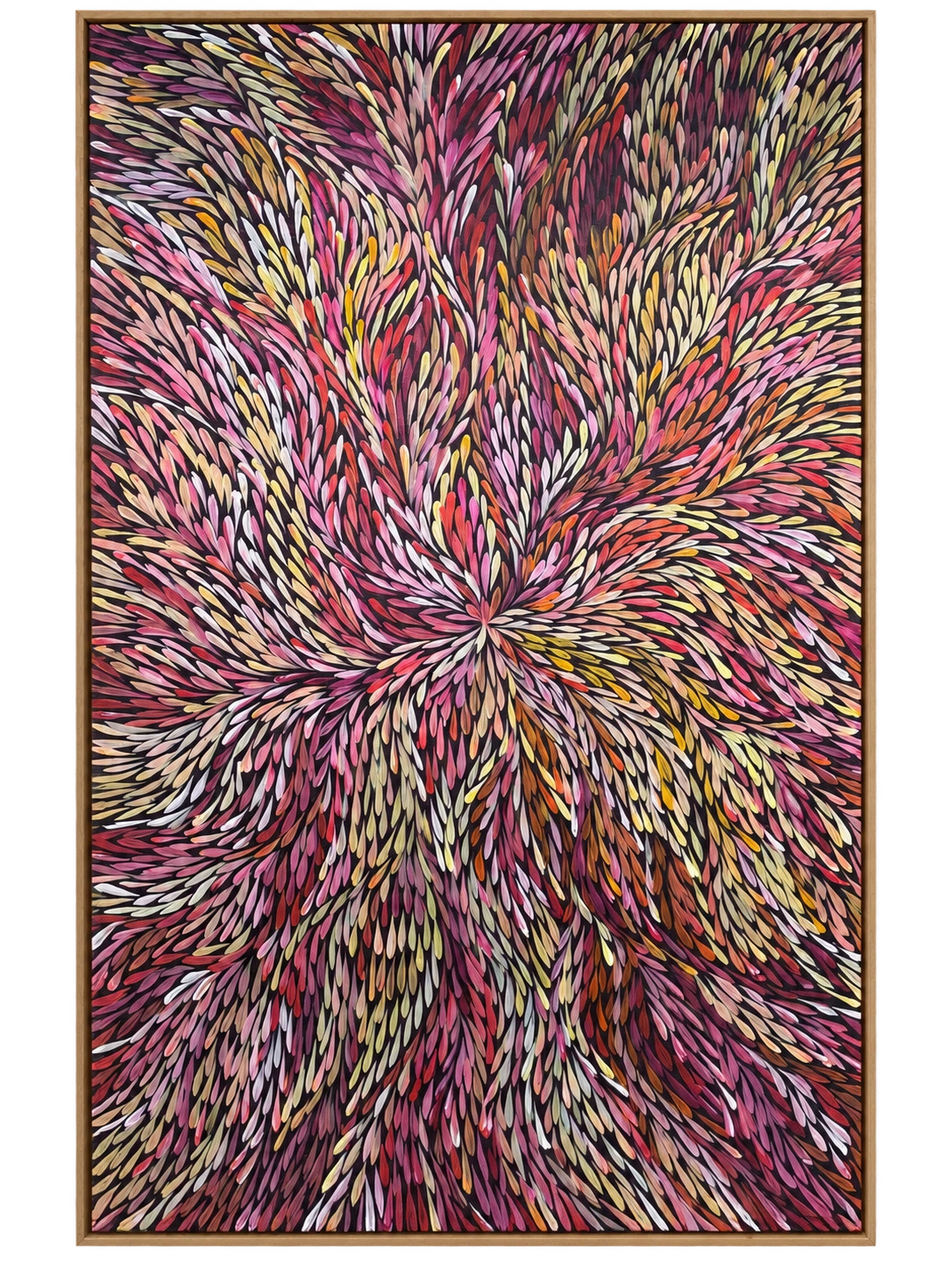
In recent years the Canning Stock Route has become the subject of a landmark cultural project. A collection of more than one hundred canvases, created by artists who travelled the route on a return to country, tells the history of the land and its people from an Aboriginal perspective. The project, acquired by the National Museum of Australia, brought together artists from many communities and language groups to share the stories of the country the route crosses.
The art of the Canning Stock Route is a powerful act of reclamation. Where the original route was imposed on the land by outsiders, the paintings return the story to the people whose country it crosses, showing the waterholes, the Dreamings, and the sacred sites that long predate the stock route. For collectors and viewers, these works are a reminder that the desert is not empty but full of stories, and that the history of a place belongs first to the people who have cared for it the longest.