Mediums of Expression: Natural Ochres to Canvas
A look at how mineral ochres harvested from ancestral pits compare with modern acrylics on Belgian linen, bridging ancient material culture and modern artistic vibrancy.
The physical materials used in First Nations art form an essential bridge between ancient traditions and modern artistic practice. For tens of thousands of years, artists worked exclusively with natural mineral ochres harvested from sacred geographic quarry sites.
Red and yellow iron oxides, white kaolin clay, and black charcoal were ground on flat stones and mixed with water, tree gums, or bird egg yolks. Ochre carries its own physical presence and ancestral energy, possessing a subtle, velvety matte texture and warm earthy warmth that reflects the country from which it was dug.
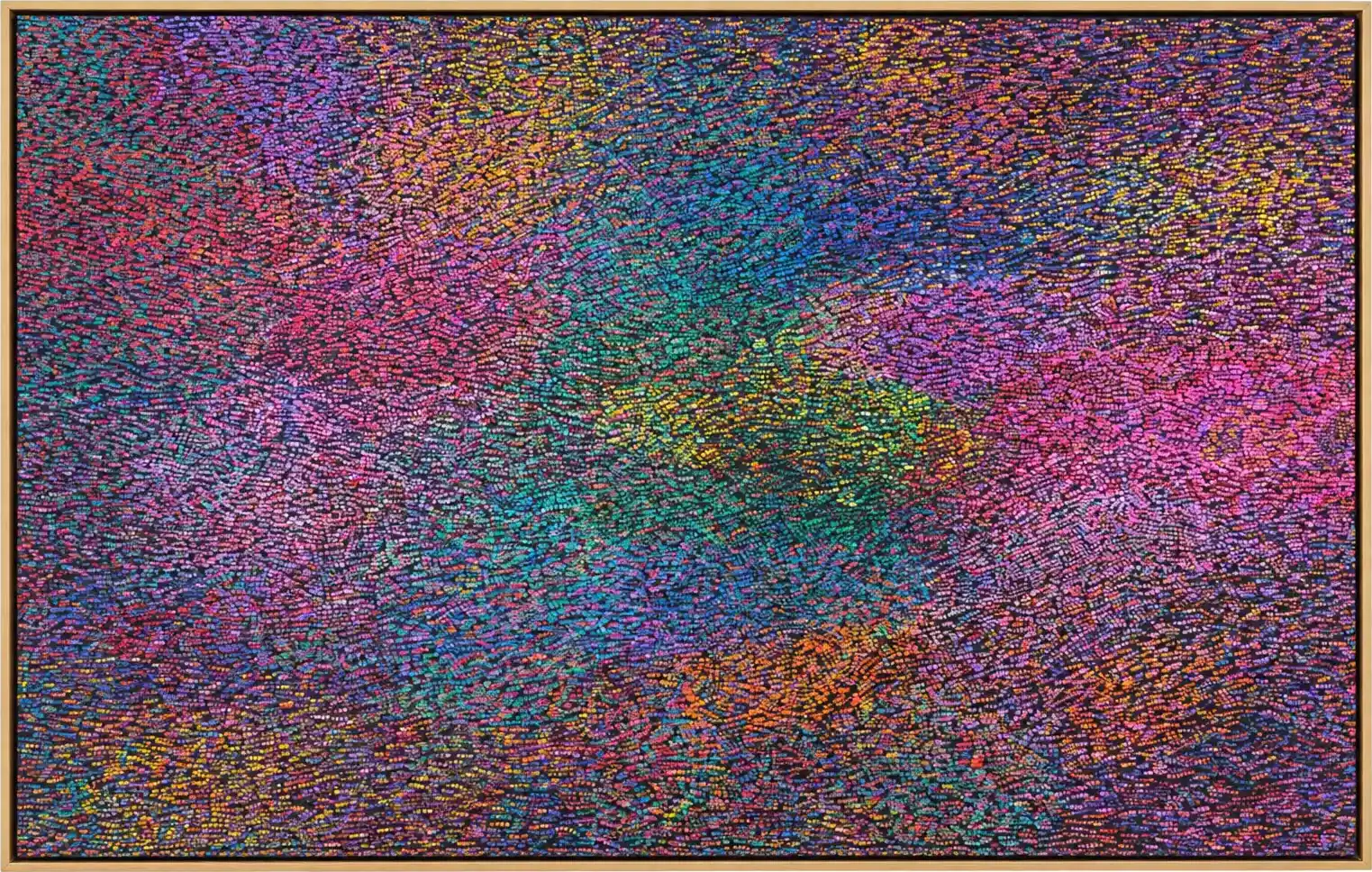
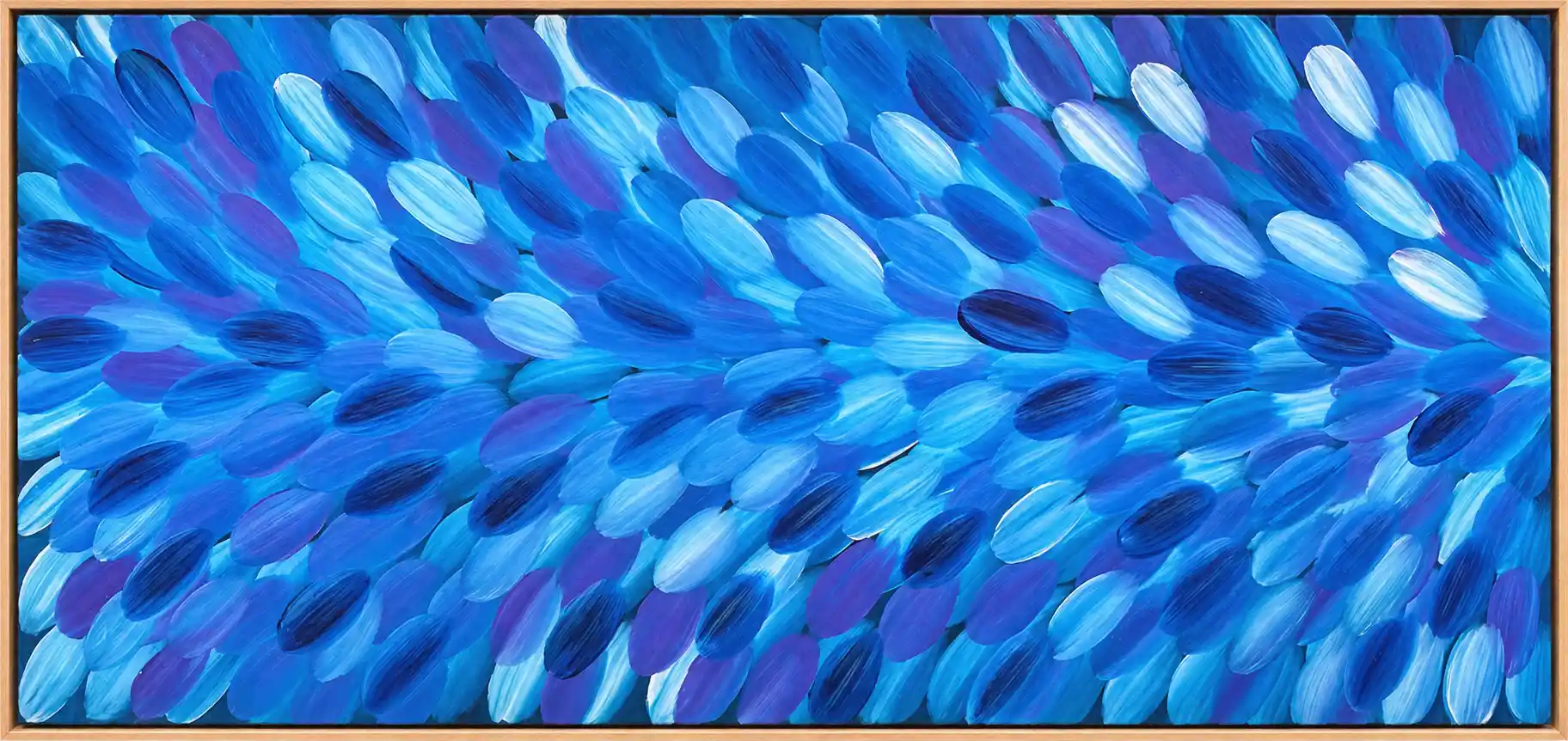
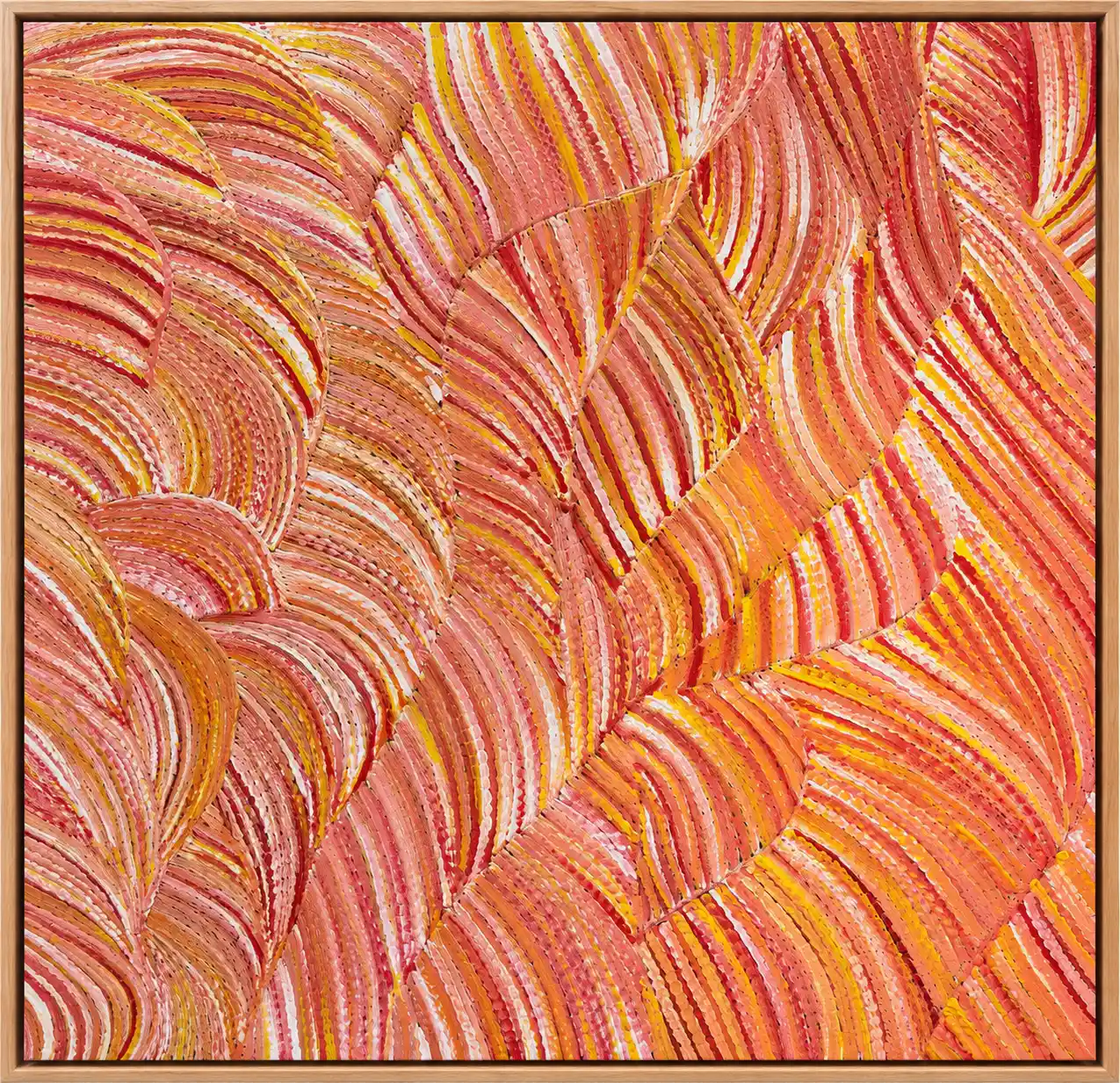
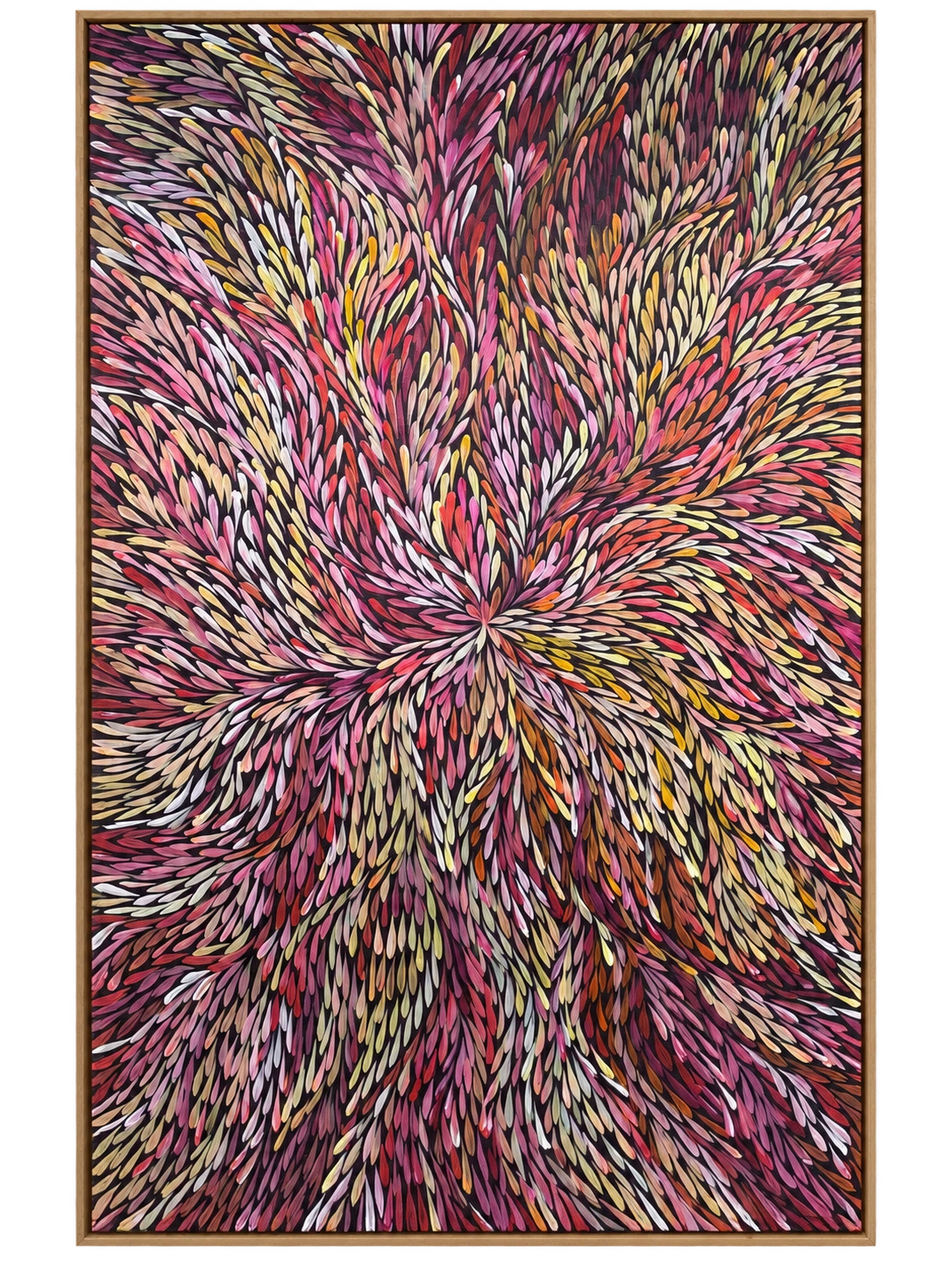
With the emergence of community art movements in the 1970s, artists were introduced to synthetic polymer acrylics and Belgian linen. Rather than diminishing cultural authenticity, modern paints gave painters access to a vivid spectrum of colours and remarkable permanence, enabling artists to translate ancient stories into dynamic contemporary masterpieces.