Oral Tradition: How Knowledge Was Kept Alive
Without a written alphabet, First Nations peoples preserved vast bodies of law, science and story through oral tradition, song and ceremony across tens of thousands of years.
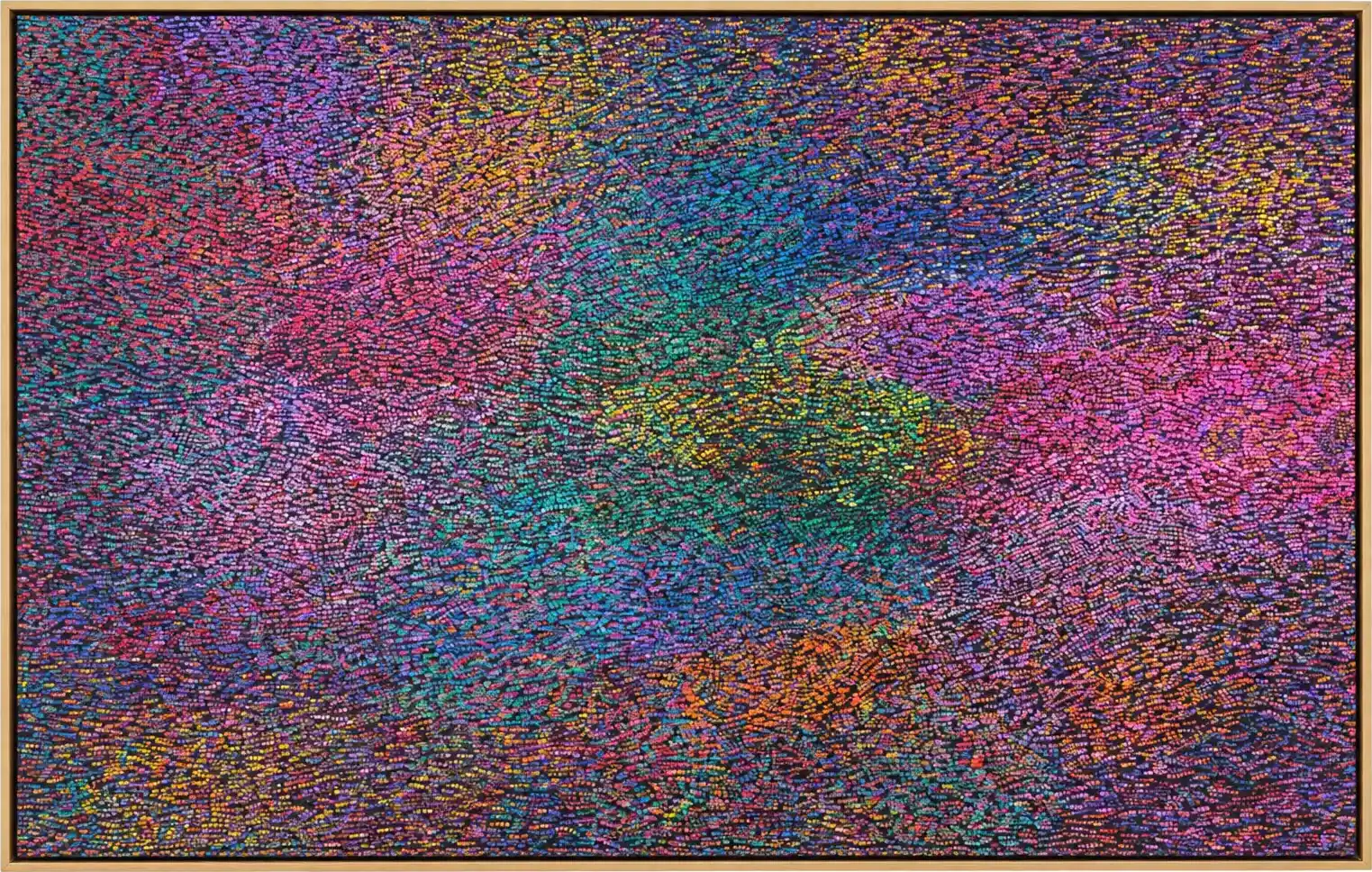
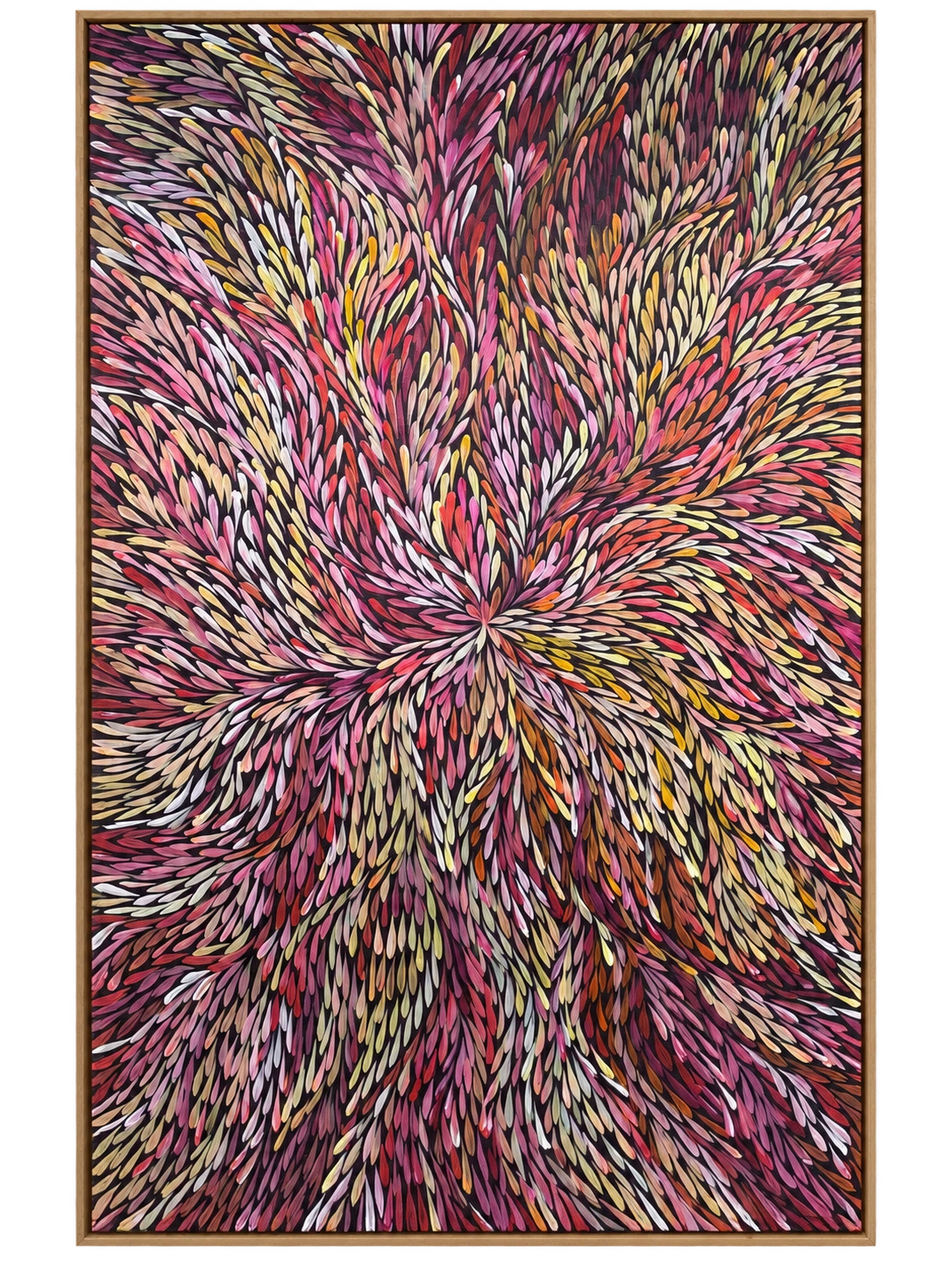
One of the most extraordinary achievements of the world's oldest continuous living culture is the preservation of knowledge without writing. For more than 60,000 years, Aboriginal and Torres Strait Islander peoples carried their law, their science, their histories and their spiritual understanding through oral tradition, encoded in song, ceremony, story and art.
Songlines are perhaps the most powerful example of this system. A songline is a sequence of songs that maps a route across country, each verse corresponding to a landmark, a waterhole or a change in the land. By knowing the song, a person could navigate across vast distances they had never seen, because the song itself was the map. These songlines also carried the creation stories of the ancestors whose journeys shaped the land, binding geography, law and spirituality into a single living record.
Ceremony served as another vessel for knowledge. Initiation rites, women's and men's business, and seasonal gatherings were occasions for the teaching and reaffirming of cultural understanding. The repetition of ceremony across generations ensured that knowledge was not lost but renewed, kept accurate and alive through performance.
This oral tradition was not informal. It was precise, structured and governed by strict protocols about who could hold and share particular knowledge. The system was so robust that it preserved detailed ecological knowledge, astronomical understanding and legal frameworks across millennia. The survival of this knowledge without written records is one of the great intellectual achievements of human history, and it continues to inform and enrich Aboriginal life today.