The World's Oldest Continuous Living Culture
Aboriginal Australian culture is widely recognised as the oldest continuous living culture on earth, an unbroken thread of language, law, ceremony and art reaching back more than 60,000 years.
When we speak of Aboriginal and Torres Strait Islander peoples as the world's oldest continuous living culture, we are not reaching for a distant or frozen past. We are describing a living tradition, one that has been carried by generation after generation without interruption, adapting and enduring across tens of thousands of years. This continuity is what sets First Nations Australian culture apart from ancient civilisations whose monuments remain but whose living practice has long since ended.
Archaeological evidence places human presence in Australia at more than 60,000 years ago, making it one of the longest sustained occupations of any place on earth. Throughout that immense span, Aboriginal peoples maintained distinct languages, kinship systems, ceremonial practices and artistic traditions, each rooted in a deep and ongoing relationship to country. The knowledge held within these traditions was not recorded in books but carried in song, in ceremony, in the marks made on rock and body and sand, and in the spoken teachings of elders to the young.
What makes this continuity so remarkable is that it has survived enormous change. The arrival of colonisation in the late eighteenth century brought displacement, disease and profound disruption to First Nations communities. Yet the culture endured. Languages are being revitalised, ceremonies continue to be performed, and artists continue to paint the Dreaming stories of their ancestors. The survival of this living culture is a testament to the resilience and strength of the people who carry it.
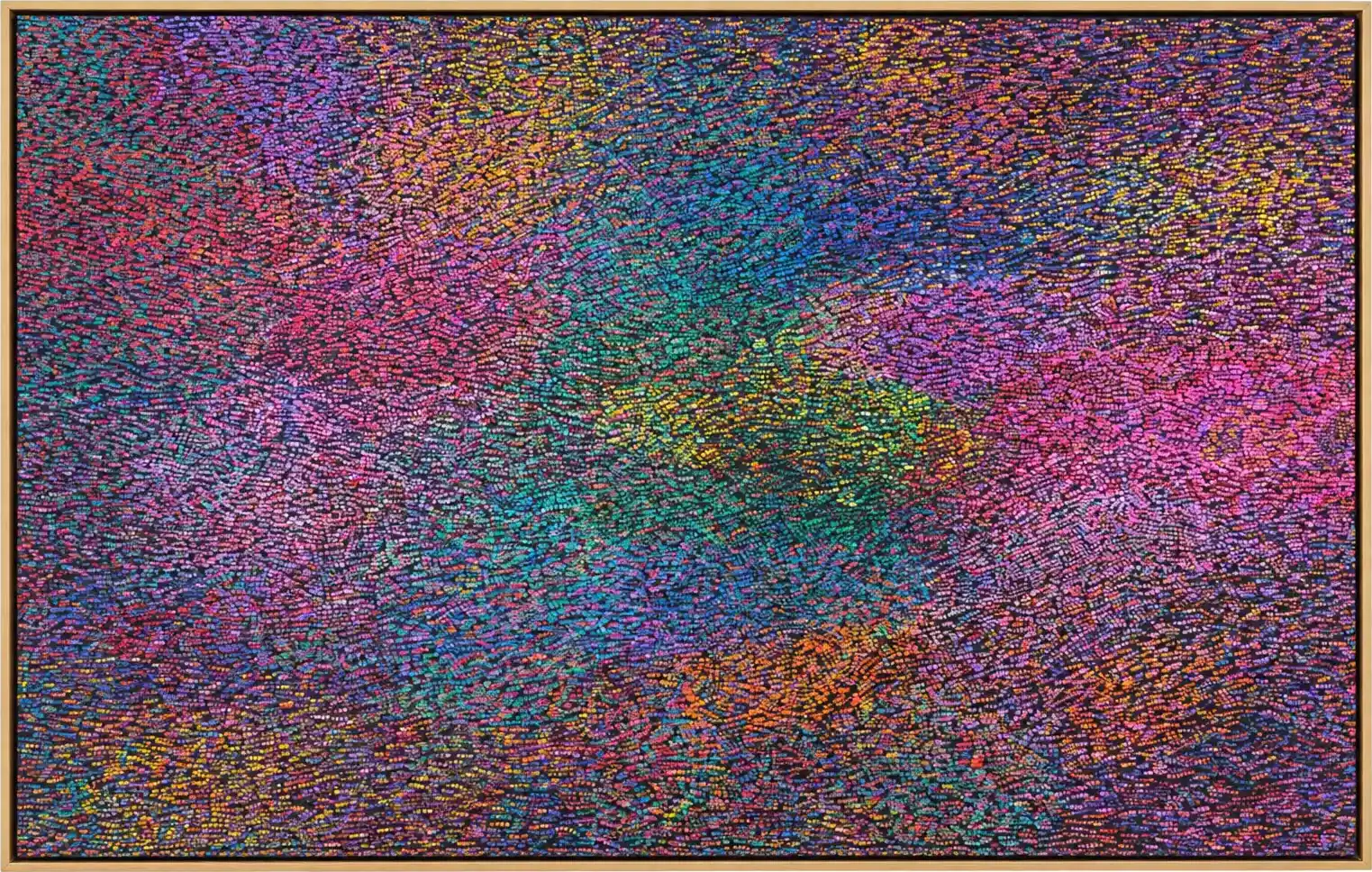
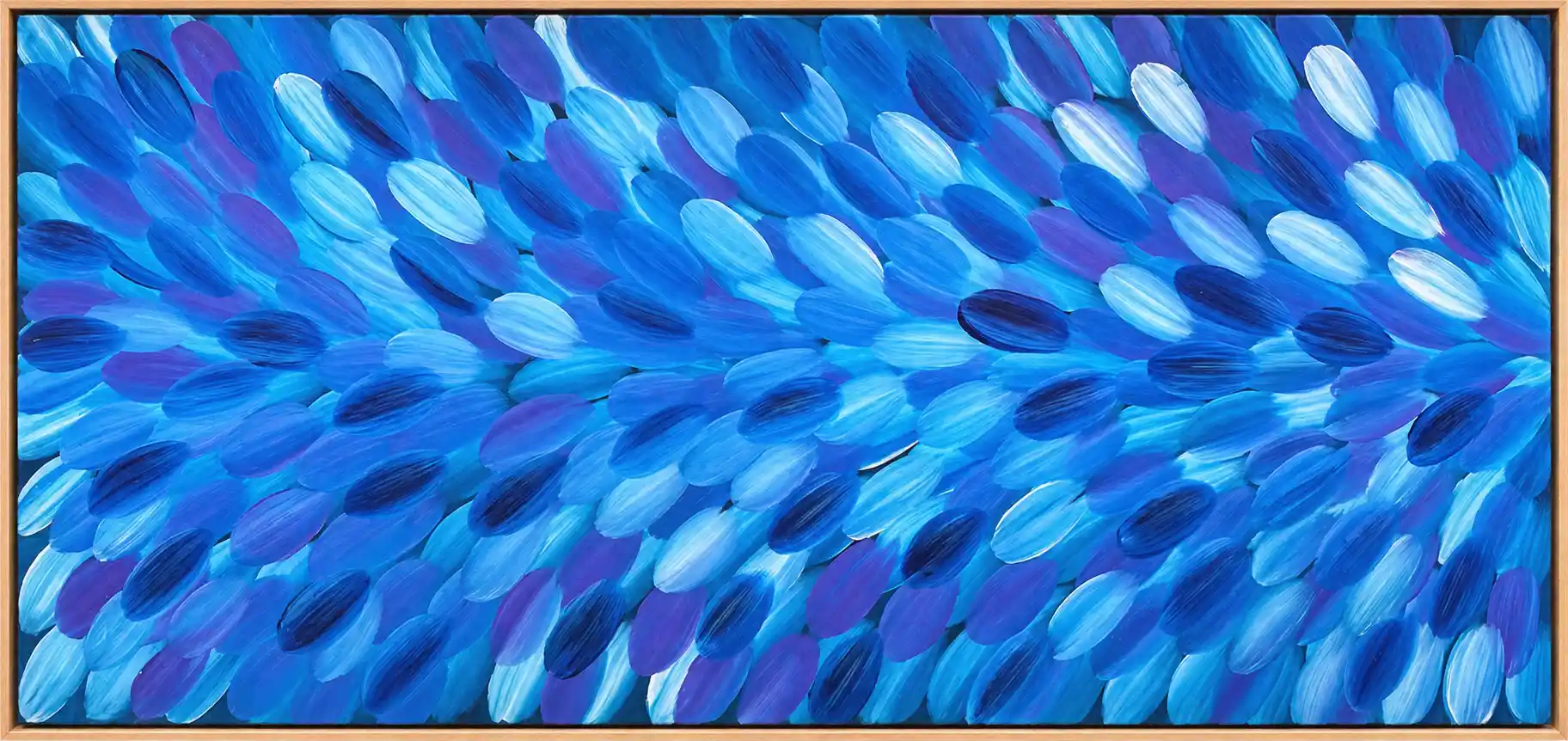
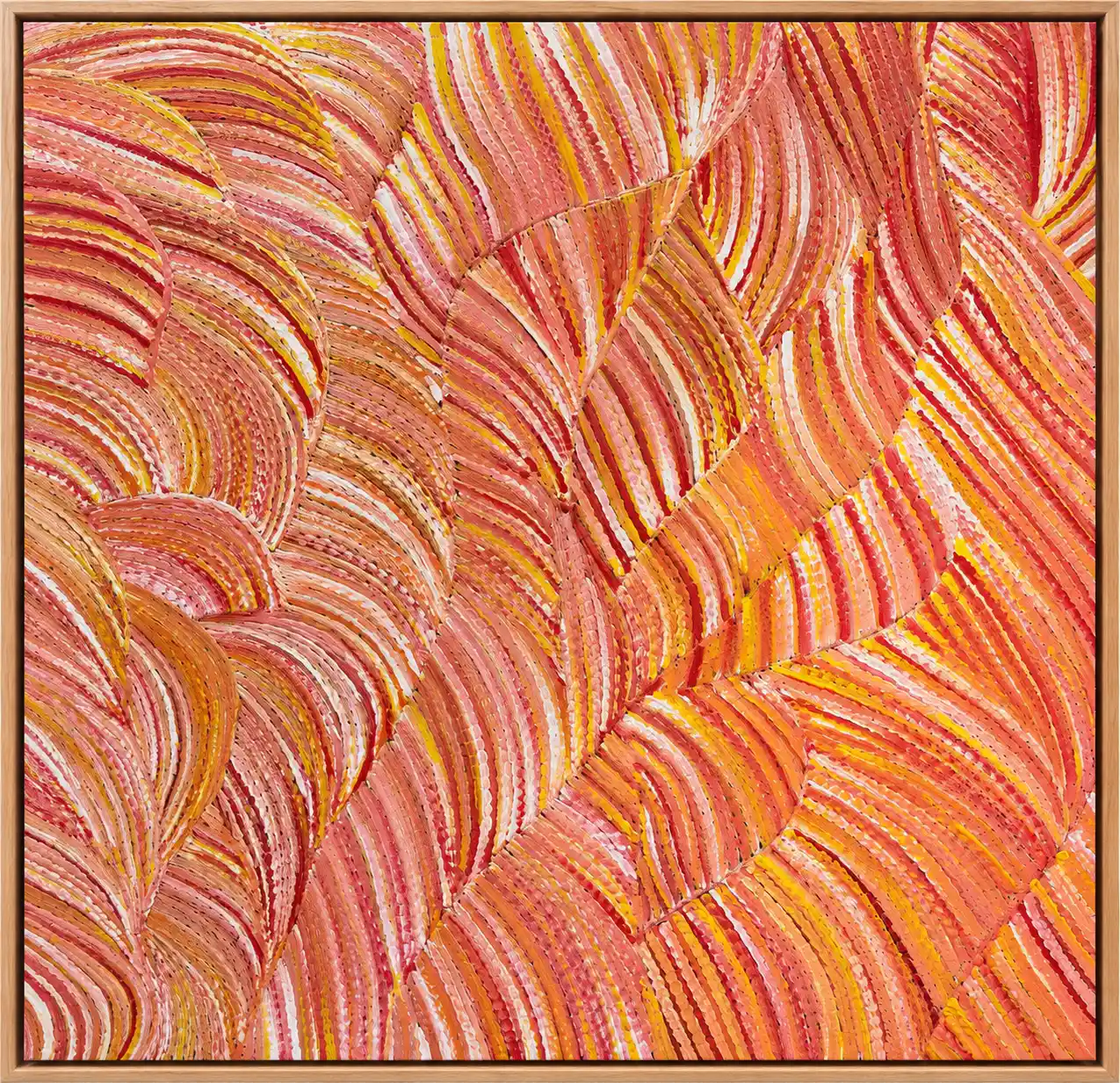
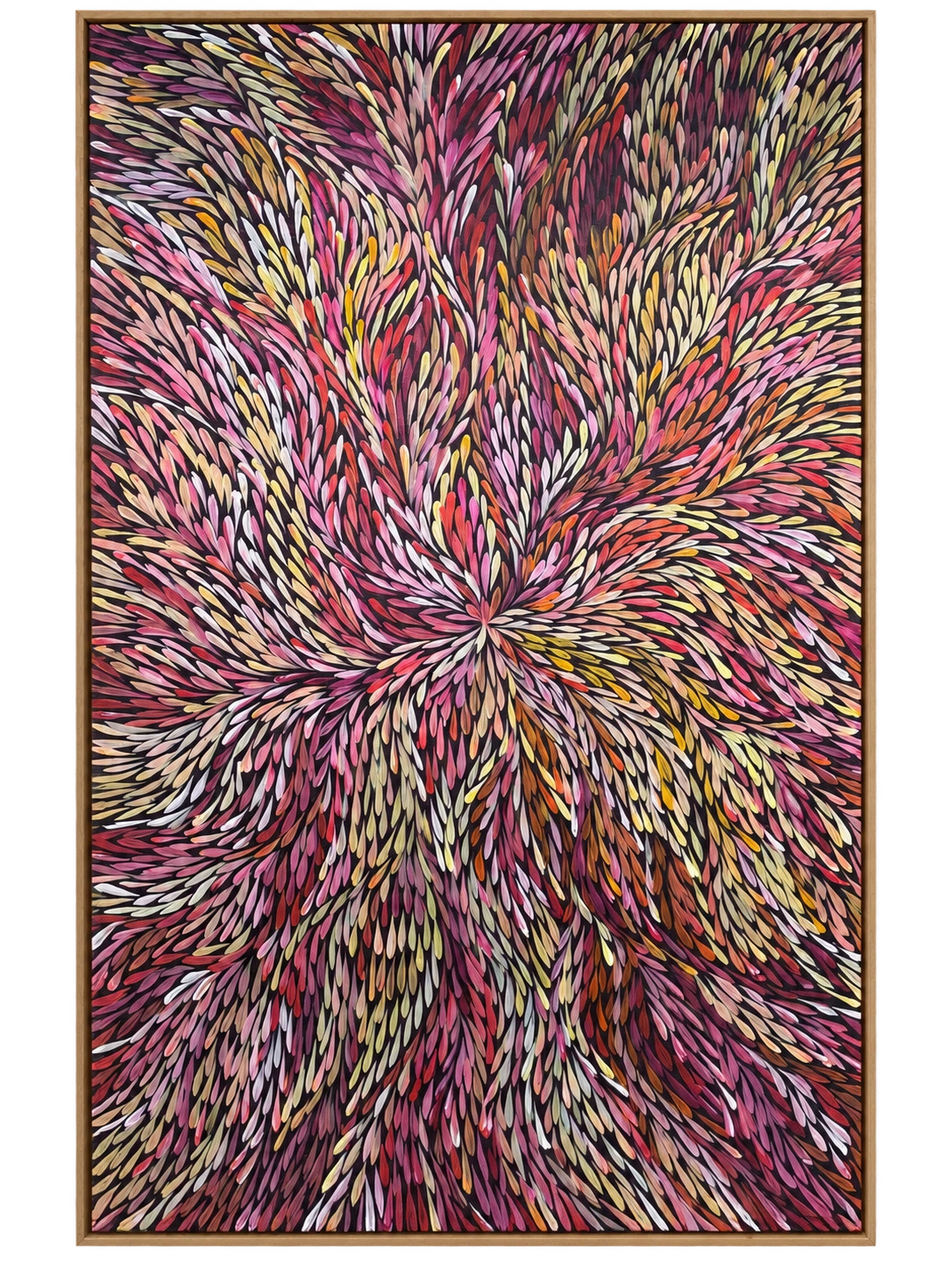
Aboriginal art is one of the most visible expressions of this living tradition. When a painter takes up the stories of their country and places them on canvas, they are participating in a practice that reaches back to the earliest mark making on this continent. The symbols, the stories and the responsibilities have been passed down in an unbroken line. To stand before a contemporary Aboriginal painting is to stand before a living thread of human history, one that remains as vital today as it was at its beginning.